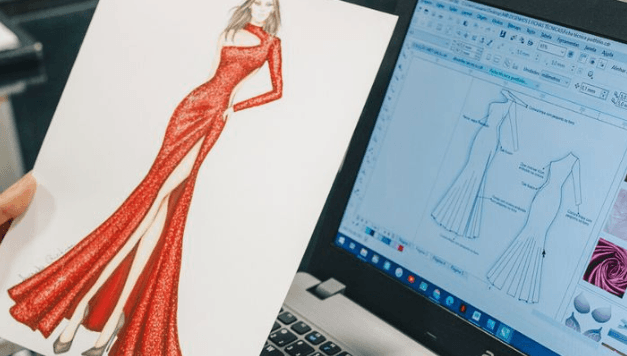
Modern fashion design relies on integrated digital tools to speed concept-to-prototype cycles. Digital sketching, color calibration, CAD, and 3D draping convert ideas into feasible garments with reduced waste. AI analytics, trend forecasting, and data visualization guide collections across sourcing and merchandising. Cloud platforms and collaborative dashboards synchronize teams, while digital twins align production with sustainability goals. The convergence raises questions about workflow efficiency, data governance, and the next frontier in scalable, responsible design.
What Digital Tools Power Modern Design Workflows
Digital design workflows hinge on a suite of integrated tools that streamline concept, iteration, and production. Modern designers leverage digital sketching interfaces and color calibration to maintain vision across devices, enabling rapid prototyping and collaboration. Cloud-based platforms synchronize asset libraries, while responsive rendering previews reduce risk. Automation handles repetitive tasks, preserving creativity for strategic decisions, prioritizing freedom within structured, scalable processes.
How 3D Draping and CAD Transform Garment Prototyping
3D draping and CAD have become pivotal in garment prototyping, translating flat patterns into volumetric forms with high fidelity before physical samples are cut. The workflow emphasizes 3D draping and CAD prototyping to accelerate iteration, reduce waste, and enhance fit. Analytics forecasting informs decisions, while ai collaboration streamlines adjustments, enabling agile, freedom-loving brands to prototype confidently and efficiently.
Using AI, Analytics, and Trend Forecasting in Fashion
How AI, analytics, and trend forecasting converge to reshape fashion design and production, enabling data-driven decisions across design, sourcing, and merchandising. AI driven forecasting informs collection strategy, while data visualization clarifies complex signals. Trend analytics track consumer intent, and digital fabric simulations refine materials. Together, they empower agile, freedom-oriented teams to innovate with confidence and speed.
Collaboration, Production, and Presentation: Tools Across the Supply Chain
Across the supply chain, collaborative platforms, production tools, and presentation systems knit design intent to execution, enabling synchronized workflows from concept to consumer.
In practice, cross‑functional dashboards, BIM-like parametrizations, and digital twin feedback reduce iterations, streamline approvals, and maintain consistent branding.
Collaboration tools bolster real-time input, while supply chain transparency ensures accountable sourcing, traceability, and measurable sustainability without sacrificing creative autonomy.
See also: racklegend
Frequently Asked Questions
How Do Designers Protect IP When Sharing Digital Sketches Online?
Designers protect IP by watermarking and embedding metadata, employing access controls, and using non-disclosure agreements; they balance visibility and safeguarding while sharing sketches, leveraging licensing terms and digital rights management to regulate use and deter infringement.
What Hardware Setups Maximize Comfort During Long Design Sessions?
They prioritize ergonomics and consistent lighting, along with optimized workspace acoustics, to maximize comfort during long design sessions. The setup emphasizes neutral palettes, adjustable chairs and desks, anti-glare screens, and strategic task lighting for sustained focus and freedom.
Do Tools Support Sustainable Fabric Simulations and Waste Reduction?
In a hypothetical case, tools enable sustainable fabrics simulations and waste reduction through generative patterning and virtual prototyping. They support sustainable fabrics analysis, optimize layouts, and minimize offcuts, aligning with trend-aware, freedom-seeking designers.
How Are Virtual Runways Integrated With Real-World Client Presentations?
Virtual runways integrate with real world presentations via synchronized digital sketches and live client previews; tools enable IP protection, enabling designers to share concepts securely while maintaining brand integrity, trend-awareness, and freedom to iterate across platforms.
What Are the Cost Benchmarks for Licensing Versus Subscription Models?
“Time is money,” states the analysis: licensing benchmarks vary by feature set and duration, while subscription models emphasize recurring value. The comparison shows licensing benchmarks typically higher upfront; subscription models emphasize ongoing access, scalability, and lower initial costs.
Conclusion
Digital tools streamline modern fashion from concept to consumer, aligning design intent with production feasibility. Precision sketching, CAD-driven prototyping, and 3D draping shrink timelines while reducing waste. AI analytics and trend forecasting sharpen decisions, and cloud collaboration keeps teams synchronized across the value chain. As the adage goes, “data is only as good as its application”—success hinges on integrated dashboards, digital twins, and sustainable, scalable workflows that translate insight into innovative, repeatable outcomes.